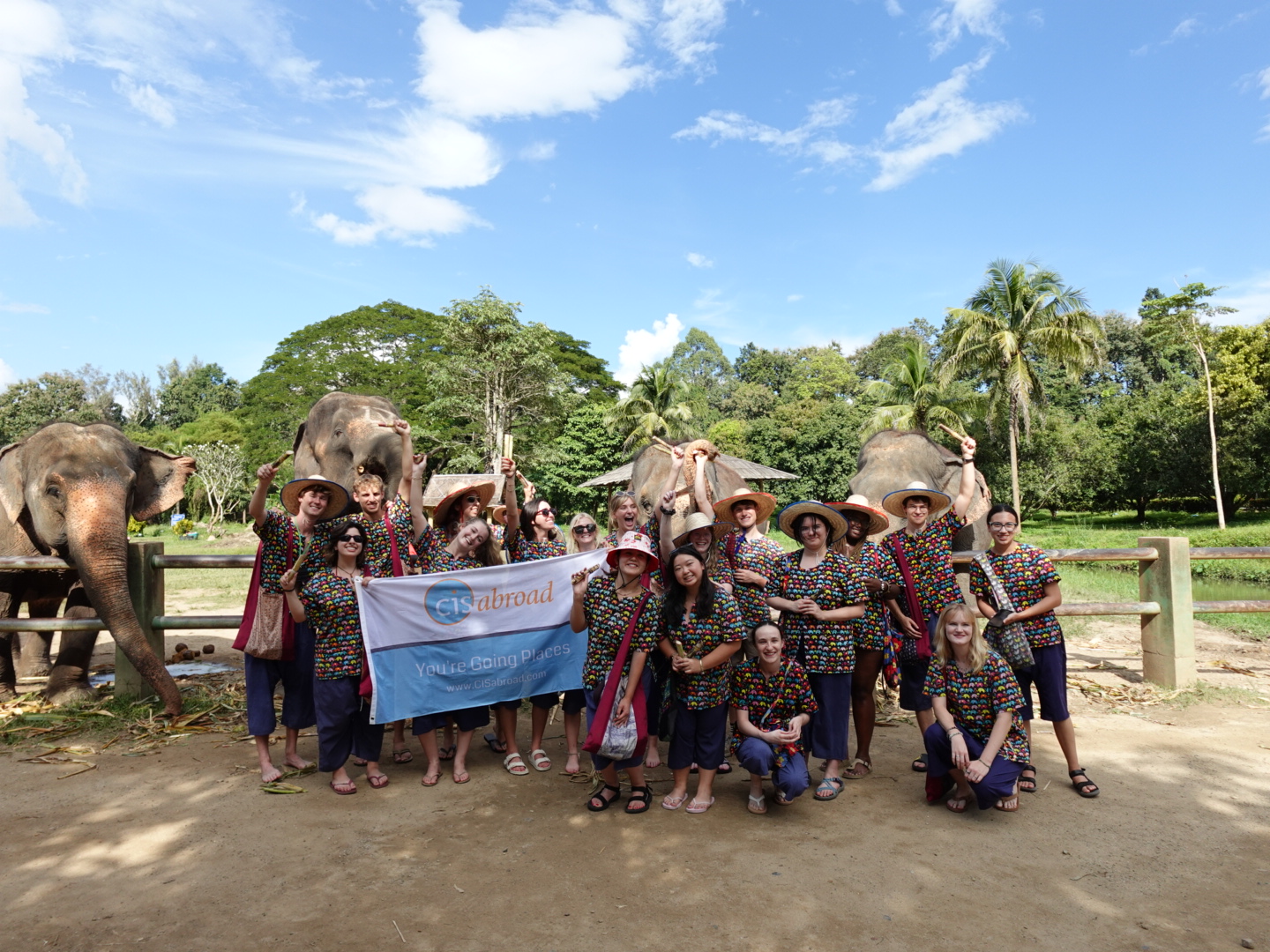
Why we visit Kanta Camp
Elephants are deeply woven into Thailand’s history, culture, and economy. But modern elephant tourism has also created serious welfare problems, especially in high-volume camps that rely on performances, riding seats, and strict control methods.
We bring students to Kanta Camp because it reflects the direction we believe elephant tourism must move toward: fewer performances, more education, and clearer standards for care. The visit is designed to help students understand the real-world challenges of captive elephant welfare in Thailand, and what ethical, responsible tourism can look like in practice.
Our approach: safety and welfare come first (for elephants and people)
Elephants are intelligent, powerful animals. Even when calm, they can unintentionally cause serious injury. At the same time, elephants can be harmed by poor handling, overwork, and experiences designed for entertainment rather than welfare.
That is why we prioritize camps that are transparent about their practices and that actively reduce risk on both sides.
At Kanta Camp, our focus is on:
- Elephant-first standards: No show-style performances and no riding with seats (palanquins), which can cause painful pressure and wounds.
- Humane handling expectations: Mahouts are trained to guide behavior safely, and unnecessary force is not tolerated.
- Education over entertainment: Students learn how welfare is evaluated, what ethical camps still struggle with, and why “perfect” solutions are rare in captive elephant care.
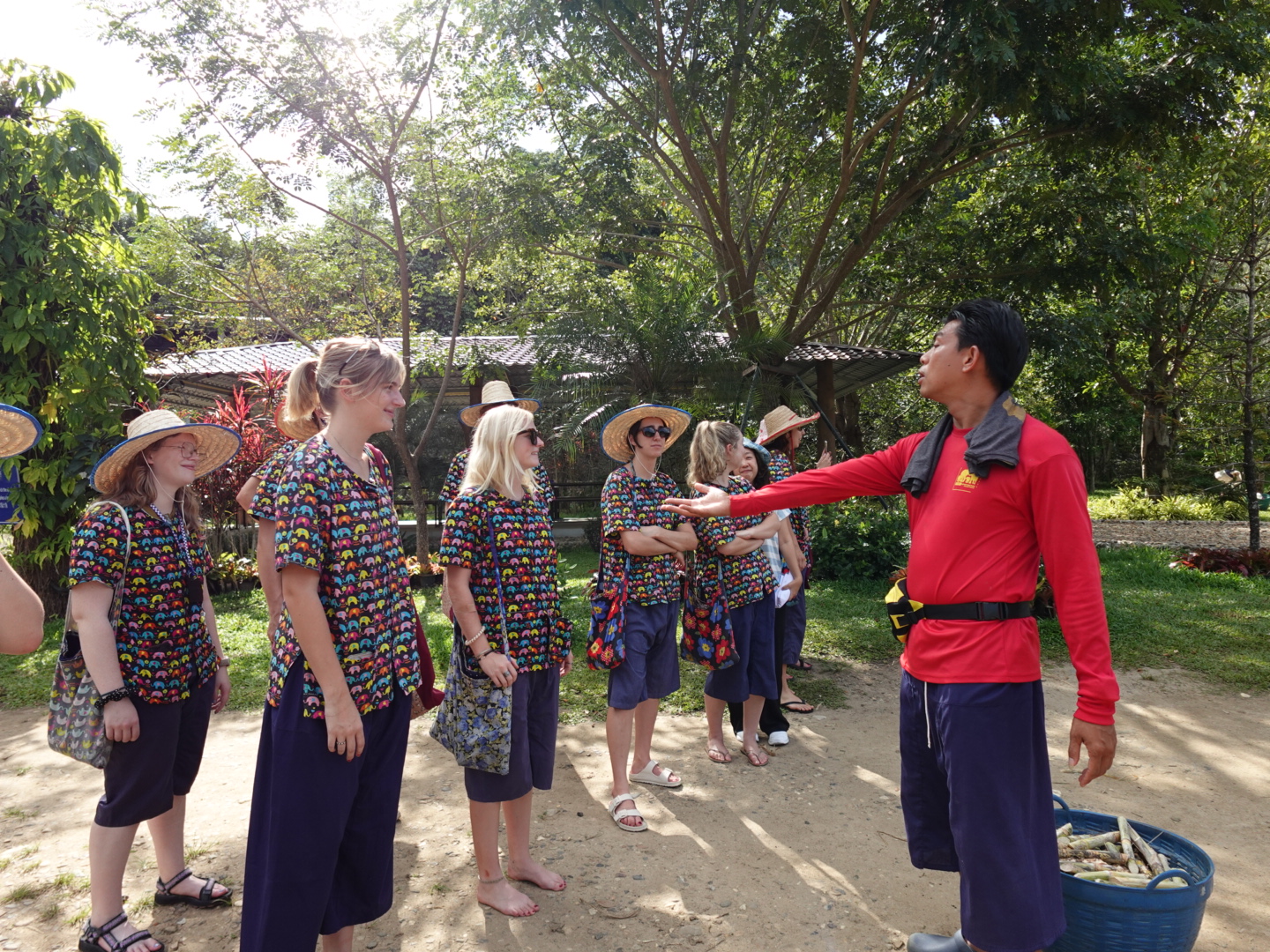
- Clear visitor safety rules: Students are briefed on boundaries, elephant behavior, and emergency procedures before activities begin.
A reality we do not hide
Captive elephant care involves difficult tradeoffs. Elephants cannot simply be “released” into the wild, and responsible camps still face hard limits related to land, food needs, and safety. Ethical camps aim to minimize restraints and stress, provide enrichment and social time, and maintain consistent veterinary and nutrition care.
We do not present the visit as a feel-good animal encounter. We treat it as a learning experience grounded in respect, safety, and accountability.
What students will do at the camp
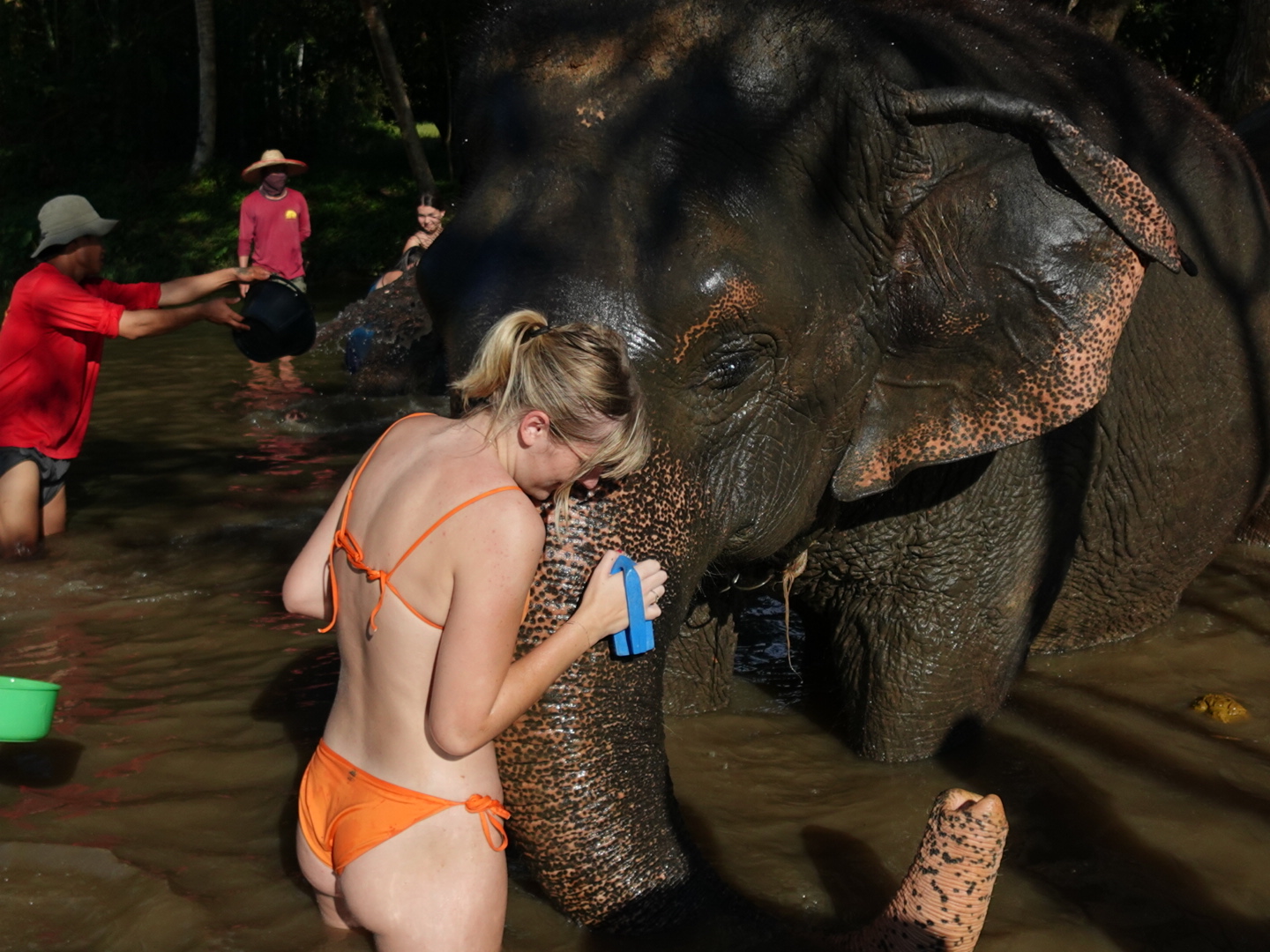
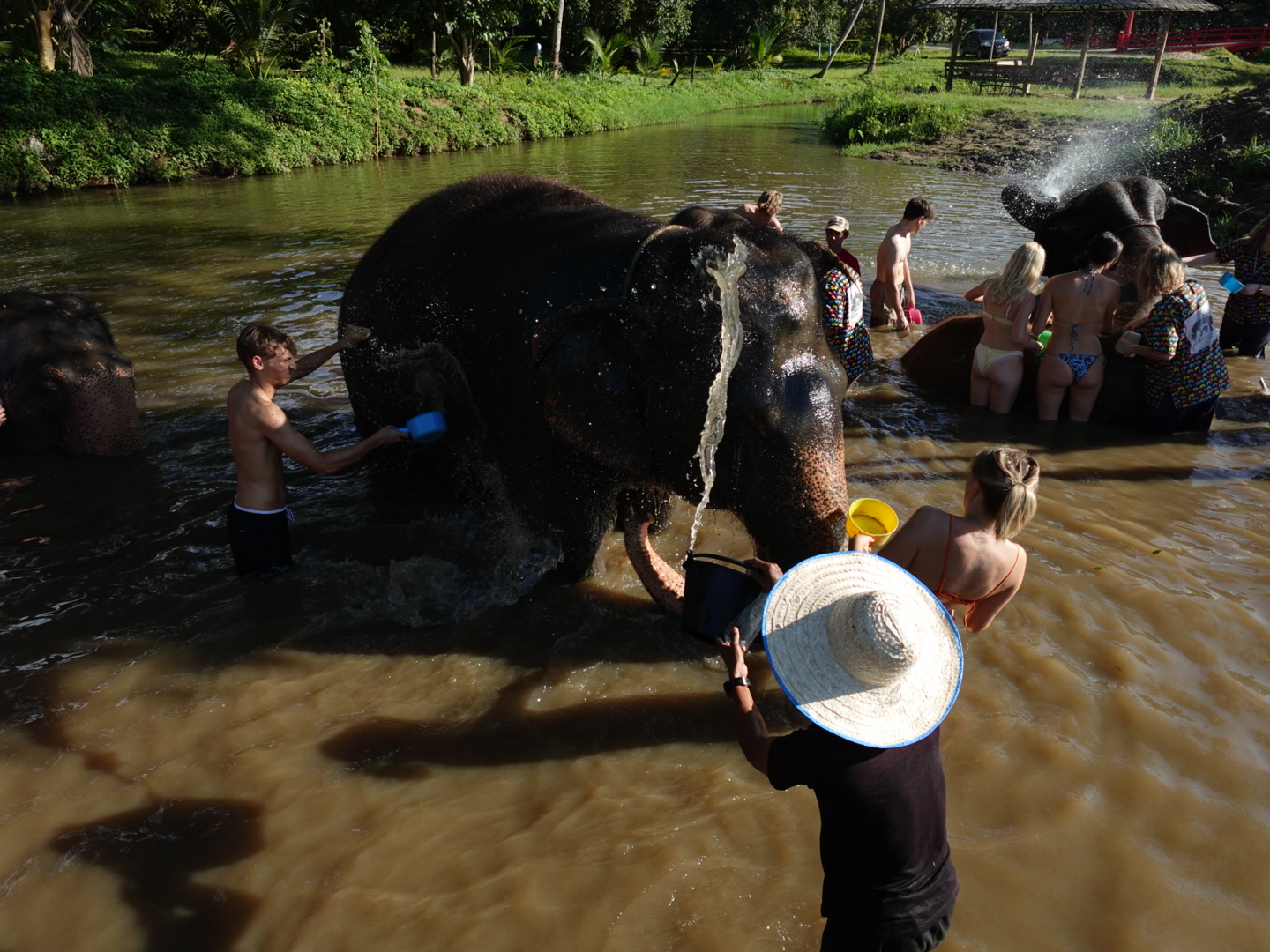
Activities vary depending on elephant needs, weather, and safety conditions, but are typically centered on observation and support of natural routines rather than staged performances. Students can expect to:
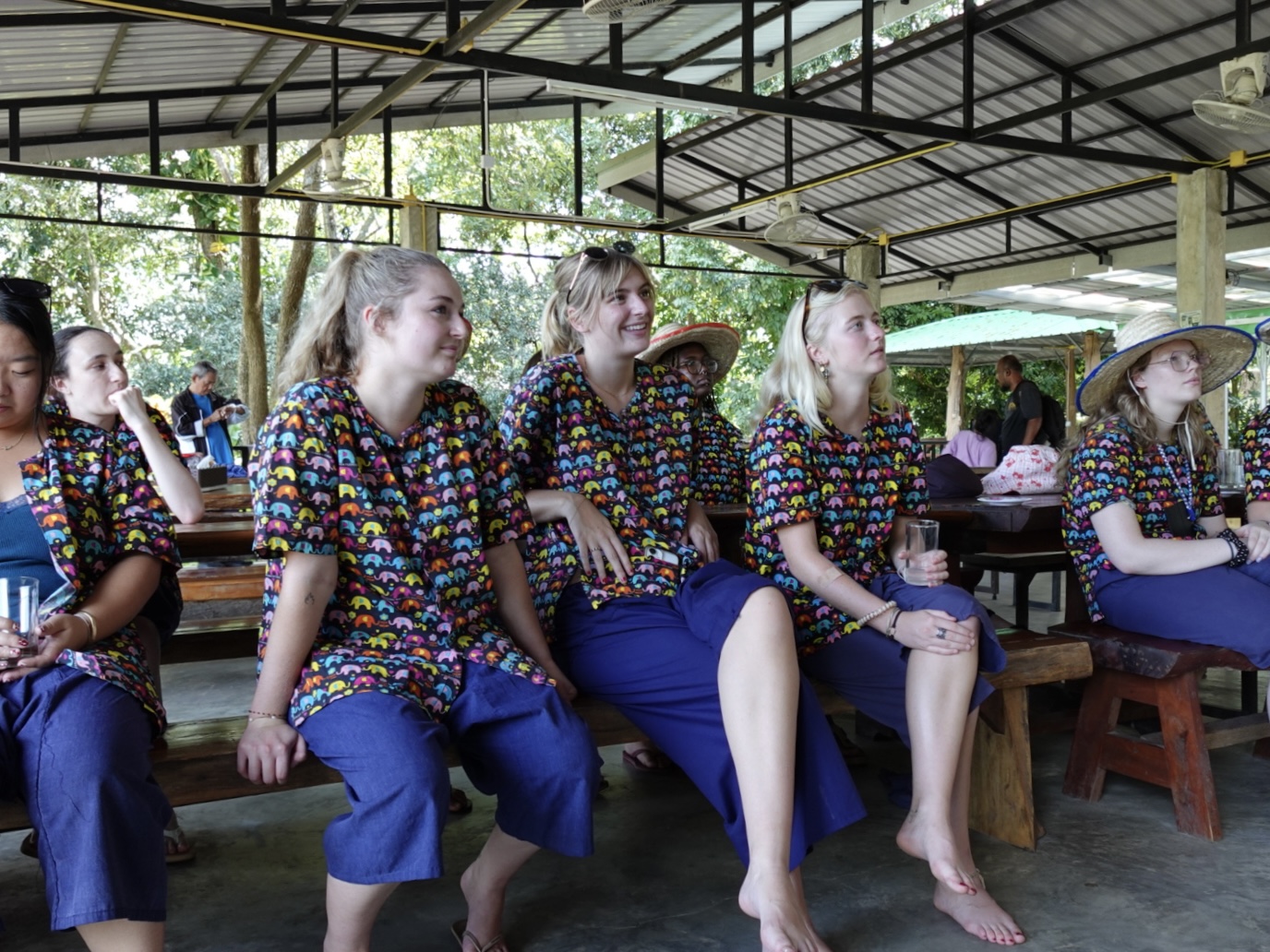
- Receive an orientation on elephant behavior, welfare basics, and safety rules
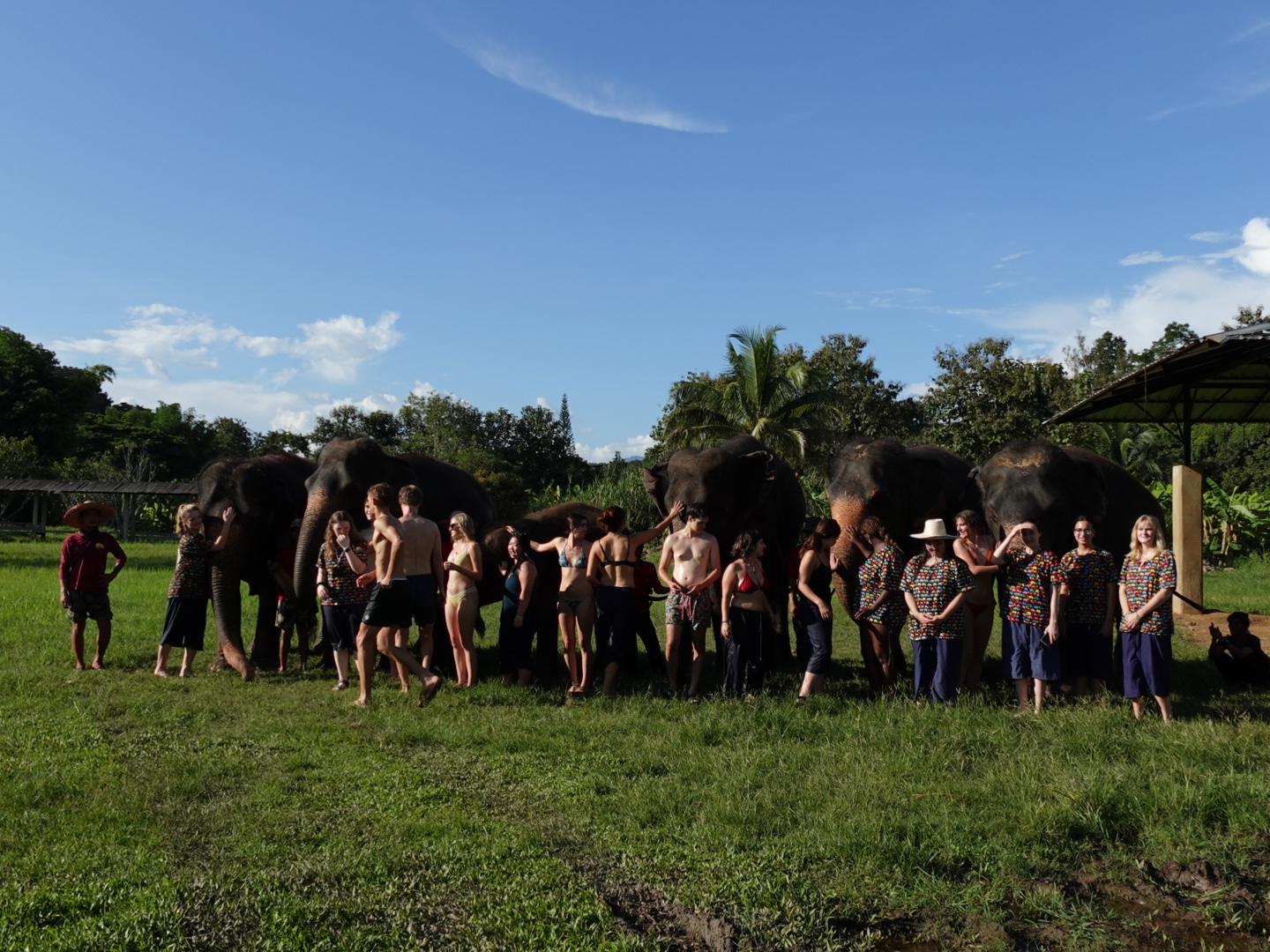
- Observe elephants in daily routines such as walking, feeding, and foraging
- Learn directly from camp staff about care practices, challenges, and improvements
- Ask questions and practice ethical “visitor standards” (what to look for, what to avoid, and how expectations shape tourism)
Your role as a participant
Ethical tourism is not passive. Visitor demand influences how camps operate. We ask students to approach the experience with curiosity, respect, and awareness, and to speak up if something feels unsafe or concerning. Thailand Experiences staff are available throughout the visit to support students and to address any issues with camp management.